Insulated Concrete Forms Manufacturer in Lapeer: Durable Building Material Supply
Insulated Concrete Forms Manufacturing: The Future of Green Building Solutions
Insulated Concrete Forms, commonly known as ICFs, are becoming increasingly popular in the construction industry for their energy-efficient advantages. These innovative forms combine insulation with structural strength, responding to the rising demand for environmentally conscious building practices. With growing awareness of environmental concerns, the move toward ICFs raises important questions about traditional construction methods. What distinguishes ICFs in the current marketplace? Examining their advantages and uses uncovers a deeper understanding of the future of construction.
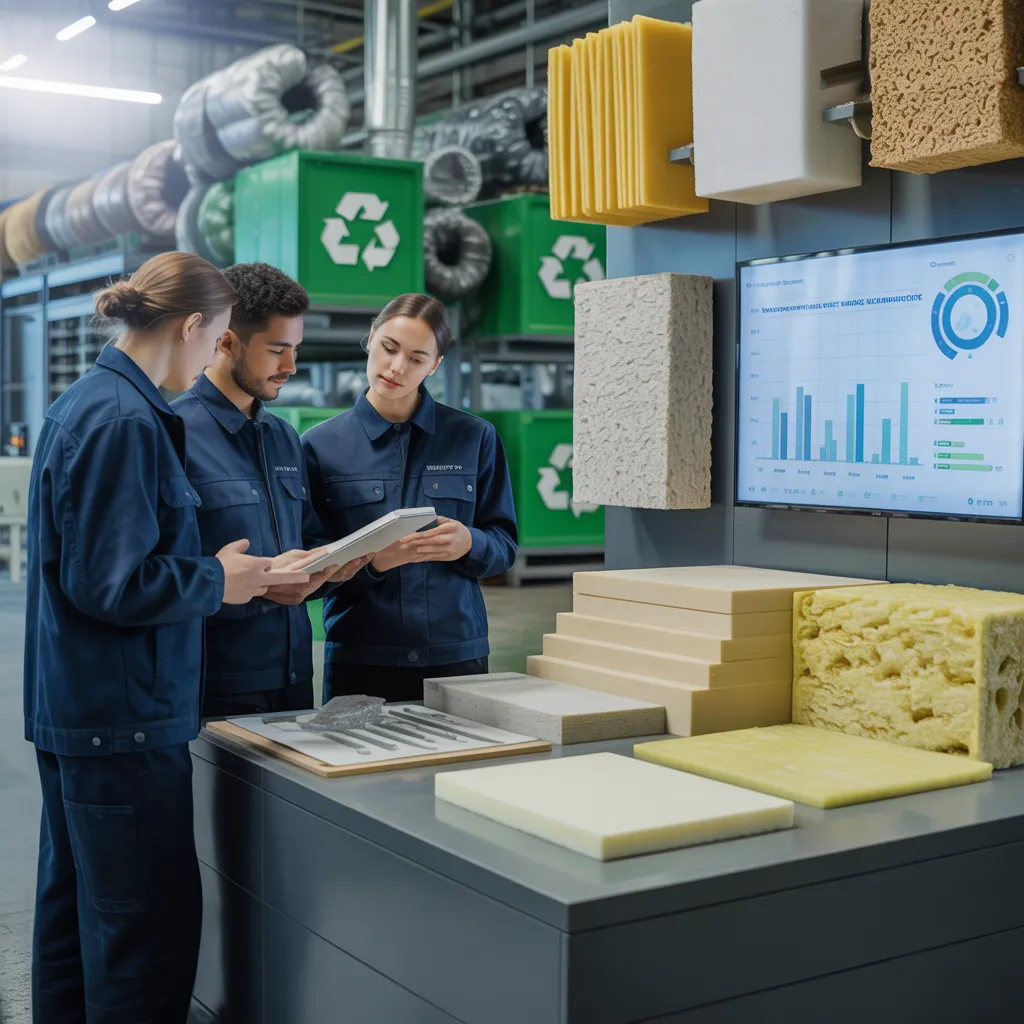
Insulated Concrete Forms Explained: A Comprehensive Overview
While the construction industry evolves towards more sustainable practices, insulated concrete forms (ICFs) have emerged as a vital solution for sustainable and energy-efficient construction. ICFs consist of expanded polystyrene (EPS) foam blocks or panels that interlock to create a sturdy framework. This framework is filled with concrete, providing structural integrity while enhancing thermal performance. The insulation properties of ICFs greatly reduce energy consumption for heating and cooling, making them a growing favorite among construction professionals.
Additionally, ICF construction offers versatility, suitable for residential, commercial, and industrial uses. This system supports diverse architectural configurations, maintaining aesthetic appeal without sacrificing performance. Moreover, ICFs support noise reduction and improved resistance against external elements. With regulations becoming stricter around energy efficiency, understanding ICFs becomes essential for industry professionals looking to satisfy modern construction benchmarks while supporting green initiatives in the built environment.
Major Benefits of ICFs for Energy Efficiency and Sustainable Construction
As energy efficiency becomes increasingly essential in construction, the merits of insulated concrete forms (ICFs) stand out prominently. ICFs offer superior insulation relative to traditional building materials, significantly minimizing thermal bridging and enhancing energy performance. This translates into lower heating and cooling costs, supporting long-term savings for homeowners and businesses alike.
In addition, ICFs are known for their durability and robustness, which further supports environmentally responsible building practices. By delivering superior acoustic insulation and defense against natural disasters, ICF homes require less maintenance and fewer repairs over time.
Moreover, ICFs promote a diminished carbon footprint. The building process for ICFs frequently incorporates recycled materials, and their thermal performance decrease the need for fossil fuels. This adherence to eco-friendly practices makes ICFs an attractive option for contractors aiming for sustainability. Ultimately, the merits of ICFs signal a transformative shift in favor of more sustainable construction techniques.
How Do ICFs Stack Up Against Traditional Building Methods: Key Insights?
In comparing Insulated Concrete Forms (ICFs) against conventional construction methods, considerable variations in construction speed and energy efficiency emerge. ICFs generally provide exceptional insulating properties, resulting in reduced energy usage in the long run. Furthermore, the building process using ICFs is often quicker, which context information may reduce construction costs and overall project duration.
Energy Saving Advantages
How do Insulated Concrete Forms (ICFs) compare to traditional building methods regarding energy efficiency? ICFs provide significant advantages, primarily due to their superior thermal insulation properties. The consistent insulation provided by ICFs limits thermal bridging, leading to lower heat loss in winter and heat gain in summer. As a result, buildings erected with ICFs sustain more stable indoor temperatures, which can decrease heating and cooling costs. Additionally, ICFs have a high R-value, boosting overall energy efficiency compared to traditional wood framing. Moreover, the sealed construction of ICFs reduces air leakage, further supporting energy savings. Overall, ICFs provide a innovative solution for energy-efficient construction, supporting contemporary sustainability goals and decreasing reliance on fossil fuels.
Building Speed Analysis
Insulated Concrete Forms (ICFs) dramatically improve the construction timeline when measured against conventional construction methods. ICFs are engineered for rapid assembly, enabling walls to be constructed in significantly less time needed for conventional framing. The light construction of the forms eases transportation and on-site handling, reducing labor costs and time. Additionally, the incorporated insulation negates the necessity of independent insulation work, additionally accelerating the building process. Data demonstrates that projects utilizing ICFs can be finished up to 50% more quickly than builds using standard wood framing. This efficiency not only shortens project timelines but also limits disruptions caused by weather conditions, contributing to more predictable scheduling. In summary, ICFs mark a major breakthrough in accelerating energy-efficient building practices.
ICF Production: From Raw Materials to Finished Product
The manufacturing of Insulated Concrete Forms, commonly known as ICFs starts with a thorough selection of raw materials, which has a direct effect on their efficiency and long-term viability. Understanding the manufacturing methods employed is critical to understanding how these materials are transformed into the end product. This process not only affects the efficiency of construction but also supports the total energy performance of residential and commercial buildings.
Raw Material Sourcing Process
Selecting raw materials is a vital step in the production of Insulated Concrete Forms (ICFs), impacting both the structural soundness and energy effectiveness of the finished product. The key constituents typically include expanded polystyrene or polyurethane foam for insulation and concrete for load-bearing strength. The selection of insulation component influences thermal performance, while the composition of the concrete influences load-bearing capacity and durability. Furthermore, using eco-friendly and recyclable materials is becoming increasingly important, adhering to ecological guidelines and market demands. Rigorous quality management during the material selection phase is critical, as inferior materials can result in increased energy costs and structural failures. As a result, a detailed evaluation of environmental impact, cost-effectiveness, and material properties is required to ensure peak performance and longevity in ICF applications.
Overview of Production Techniques
Efficient production techniques are essential for transforming raw materials into high-performance Insulated Concrete Forms (ICFs). The fabrication process commonly initiates with the sourcing of premium raw materials, including polystyrene foam and concrete aggregates. These components are subjected to accurate mixing and molding procedures to establish the form's structure. Automated machinery often plays a vital role in ensuring consistency and speed, enhancing overall productivity.
Once molded, the forms are put through curing methods that enable the concrete to strengthen while the thermal properties are retained. Quality assurance measures are applied throughout the production process to meet industry standards. As a result, these innovative methods enhance the durability and energy efficiency of ICFs, establishing them as a top choice in contemporary building practices.
Creative Implementations of Insulated Concrete Forms in Contemporary Construction Projects
Transforming modern construction, Insulated Concrete Forms, commonly known as ICFs, have emerged as a remarkably flexible solution for a diverse array of building projects. They extend beyond conventional residential housing to commercial buildings, academic buildings, and even structures built to withstand disasters. ICFs are particularly effective in energy-efficient designs, providing exceptional insulation and thermal mass, which significantly boost energy conservation.
In addition, the straightforward nature of construction supports accelerated construction timelines, making ICFs ideal for projects calling for quick turnarounds. Their natural durability and strength also lead to durable structures, minimizing maintenance costs over time.
Moreover, ICFs have become increasingly popular in green design efforts, adhering to sustainable construction standards by limiting material waste and optimizing energy use. Modern architectural designs employ ICFs to create unique shapes and layouts, showcasing their flexibility. With the ongoing evolution of the construction sector, ICFs keep pushing the boundaries of what is possible, proving essential for modern energy-efficient building practices.
Advancing Trends in Insulated Concrete Forms Technology
As the construction sector continues to develop, progress in Insulated Concrete Forms (ICFs) technology is positioned to revolutionize building techniques. Upcoming developments point to a transition toward superior energy efficiency through upgraded insulation materials, like aerogels and bio-derived composite materials. Such developments aim to lower energy consumption without compromising structural integrity.
Additionally, the incorporation of smart technology into ICFs is expected, supporting instantaneous energy monitoring and self-regulating climate control systems. This convergence of technology not only enhances comfort but also promotes eco-friendly construction practices.
Moreover, producers are examining modular designs that enhance the construction workflow, minimizing waste and lowering labor costs. This shift is in harmony with the expanding requirement for rapid, efficient building solutions in the face of accelerating urbanization.
Common Questions and Answers
How Does ICF Production Affect the Environment?
The environmental impacts of ICF production include resource extraction, energy consumption during manufacturing, and potential emissions. Despite these concerns, their energy-efficient properties in construction can offset long-term environmental consequences, promoting sustainable building practices and reducing carbon footprints.
How Do ICFS Perform in Extreme Weather Conditions?
ICFs display strong results in severe weather scenarios, providing superior insulation and structural integrity. Their durability helps resist damage from high winds, heavy snow, and extreme temperatures, rendering them ideal for a wide range of climates and demanding environments.
Do Specific Building Codes Apply to ICF Structures?
Indeed, particular building codes for ICF structures exist and vary by region. Such codes cover structural integrity, energy efficiency, and safety, guaranteeing adherence to regional standards while supporting optimal performance in varying environmental settings.
What Is the Lifespan of an ICF Building?
A building constructed with ICF usually has a lifespan of 70 to 100 years, depending on construction quality and maintenance. Its structural strength is bolstered by its ability to withstand weather, pests, and fire, providing enduring structural reliability.
Is It Possible to Recycle ICFS at the End of Their Lifespan?
Insulated Concrete Forms (ICFs) can absolutely be recycled when they have completed their useful lifespan. A number of methods are available to repurpose these materials, supporting sustainability and minimizing waste in construction and demolition processes.